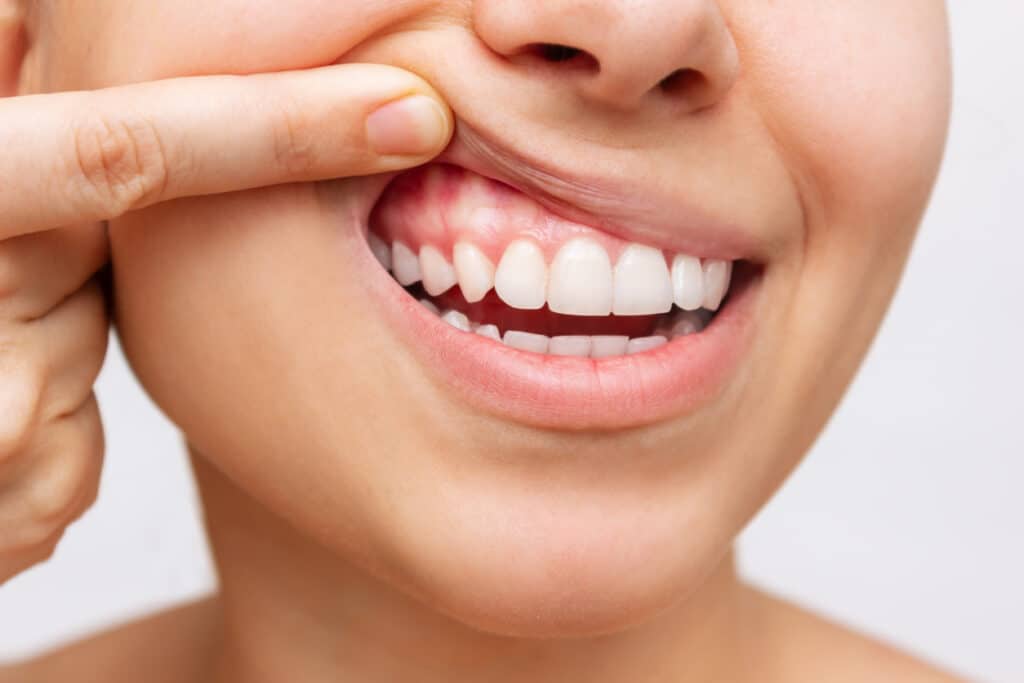
The oral-systemic connection is a well-known biological link between oral bacteria, chronic gum inflammation, and their direct effect on your cardiovascular system. The American Dental Association notes that significant connections between oral health and several systemic diseases have been documented, including cardiovascular disease, Alzheimer’s disease and dementia, obesity, diabetes and metabolic disorders, rheumatoid arthritis, and various malignancies [1] (American Dental Association, 2023). Untreated periodontal disease can allow pathogens to enter the bloodstream, elevating inflammatory markers and increasing your risk for heart disease and endocarditis.
What is the Oral-Cardiovascular Connection?
Your mouth is not a separate ecosystem; it is a gateway to your body. With untreated gum disease (periodontitis), aggressive bacteria multiply in the deep pockets around your teeth. Because your gum tissue is packed with tiny blood vessels, these bacteria can easily cross into your bloodstream every time you chew. Medical researchers call this process bacteremia. Medical evidence indicates a multifaceted relationship between oral health and cardiovascular disease [2] (Bida et al., 2025). Once inside your bloodstream, these oral pathogens can travel directly to your heart. They can attach to the fatty plaques in your arteries, contributing to clot formation and arterial narrowing. Furthermore, the constant presence of these bacteria forces your liver to produce an acute-phase reactant called C-reactive protein (CRP). High levels of CRP indicate high systemic inflammation, which cardiologists recognize as a major risk factor for heart attacks and strokes.
The Benefits: How Preventive Dentistry Protects Your Heart
Taking control of your oral health provides measurable, biological benefits for your heart. At Cary Towne Dental, we do more than polish your enamel. We actively manage your body’s inflammatory load. We use advanced ultrasonic scaling and precise digital diagnostics to safely flush out the hidden bacteria that threaten your vascular health. Clinical data show that good periodontal treatment significantly decreases systemic markers of inflammation within a few weeks [3] (Shrivastava et al., 2024). When we eliminate bacterial infection in your gums, your immune system can finally rest. This lowers your circulating CRP levels and allows your blood vessels to function with less stress. For the health-conscious patient, a simple 60-minute dental visit is a powerful, proactive step in your cardiovascular defense plan.
Comparisons: Systemic Inflammation Management Strategies
Understanding how your dental care fits into your overall wellness helps you prioritize your health. Here is how different inflammation management strategies compare.
Health Strategy | Primary Cardiovascular Benefit | Cost Predictability | Ongoing Maintenance Level |
Advanced Dental Maintenance | Removes vascular-bound oral bacteria and lowers systemic CRP levels. | Low (Often covered by dental insurance/memberships). | Low (Routine 3 to 6-month checkups). |
Daily At-Home Oral Care | Disrupts sticky biofilm before it hardens, preventing vascular entry. | Very Low (Cost of floss, brush, and paste). | High (Requires strict twice-daily compliance). |
Medical Intervention (Cardiology) | Manages existing heart conditions with medications (e.g., statins, blood thinners). | Moderate to High (Subject to medical deductibles). | Moderate (Daily medications, routine blood panels). |
Ignoring Oral Symptoms | None. Increases risk of arterial plaque buildup and endocarditis. | High Future Costs (Risk of severe medical emergencies). | High (Leads to complex, reactive medical treatments). |
Dry Mouth and Blood Pressure Medications: What You Need to Know
If you are already taking proactive steps for your heart, you might be on daily blood pressure medications or beta-blockers. While these prescriptions protect your cardiovascular system, they often come with a hidden side effect: chronic dry mouth. Saliva is your mouth’s natural defense system. It washes away food debris and neutralizes the acid produced by harmful bacteria. When your medication slows down your saliva production, sticky bacterial plaque multiplies rapidly. This creates a frustrating cycle. The medication that helps your heart indirectly allows vascular-bound oral bacteria to thrive. You can break this cycle easily. Keep a bottle of Wake County tap water nearby to stay hydrated throughout your workday. Let our clinical team know about your current prescriptions so we can recommend targeted hydrating rinses or professional fluoride varnishes to keep your enamel strong and your bacteria levels low.
The Heart-Healthy Diet That Also Protects Your Enamel
Cardiologists and dentists actually agree on the best diet for your body. The foods that keep your arteries clear are the exact same foods that protect your smile from decay. Diets high in refined sugars and processed carbohydrates trigger systemic inflammation. This diet spikes your blood sugar, damages your blood vessels, and feeds the specific bacteria that destroy your gum tissue. You can feed both your heart and your smile by focusing on crisp, anti-inflammatory whole foods. Leafy greens, almonds, and fresh apples act as natural toothbrushes. They stimulate healthy saliva flow and provide the calcium your teeth need to remineralize. By cutting back on sugary snacks and acidic energy drinks, you lower your body’s inflammatory burden and build a resilient, healthy smile from the inside out.
FAQS
1. Does flossing actually help prevent heart attacks?
Yes, indirectly. Daily flossing removes the sticky bacterial plaque between your teeth before it triggers an inflammatory immune response. This stops inflammation at its source, preventing oral bacteria from entering your bloodstream and attaching to your arterial walls, which supports long-term cardiovascular health.
2. Can Dr. Prahalad see signs of heart disease in my mouth?
While a dentist cannot formally diagnose heart disease, your mouth offers clear warning signs of systemic issues. Severe gum disease, sudden tooth mobility, and chronic tissue inflammation often suggest a compromised immune system. We frequently collaborate with local Wake County physicians when we spot oral symptoms that suggest underlying systemic stress.
3. Is it safe to get dental work if I have a heart condition?
Absolutely, but communication is key. Please inform our team prior to your visit if you have a history of heart murmurs, artificial heart valves, or a previous cardiovascular event. In certain cases, your cardiologist may recommend a preventive antibiotic before your dental cleaning to protect your heart from transient bacteremia.
References
[1] American Dental Association. (2023, September 11). Oral-systemic health | American Dental Association. Www.Ada.Org. https://www.ada.org/resources/ada-library/oral-health-topics/oral-systemic-health
[2] Bida, F. C., Curca, F. R., Lupusoru, R. V., Virvescu, D. I., Scurtu, M., Rotundu, G., Butnaru, O. M., Tudorici, T., Luchian, I., & Budala, D. G. (2025). The Systemic Link Between Oral Health and Cardiovascular Disease: Contemporary Evidence, Mechanisms, and Risk Factor Implications. Diseases (Basel, Switzerland), 13(11), 354. https://doi.org/10.3390/diseases13110354
[3] Shrivastava, D., Alanazi, A. R. F., Altimani, Z. M. A., Alsalem, A. M., Alam, M. K., & Srivastava, K. C. (2024). The Impact of Periodontal Therapy on Systemic Inflammatory Markers and Cardiovascular Disease Risk in Patients with Chronic Periodontitis. Journal of pharmacy & bioallied sciences, 16(Suppl 4), S3901–S3903. https://doi.org/10.4103/jpbs.jpbs_1216_24