
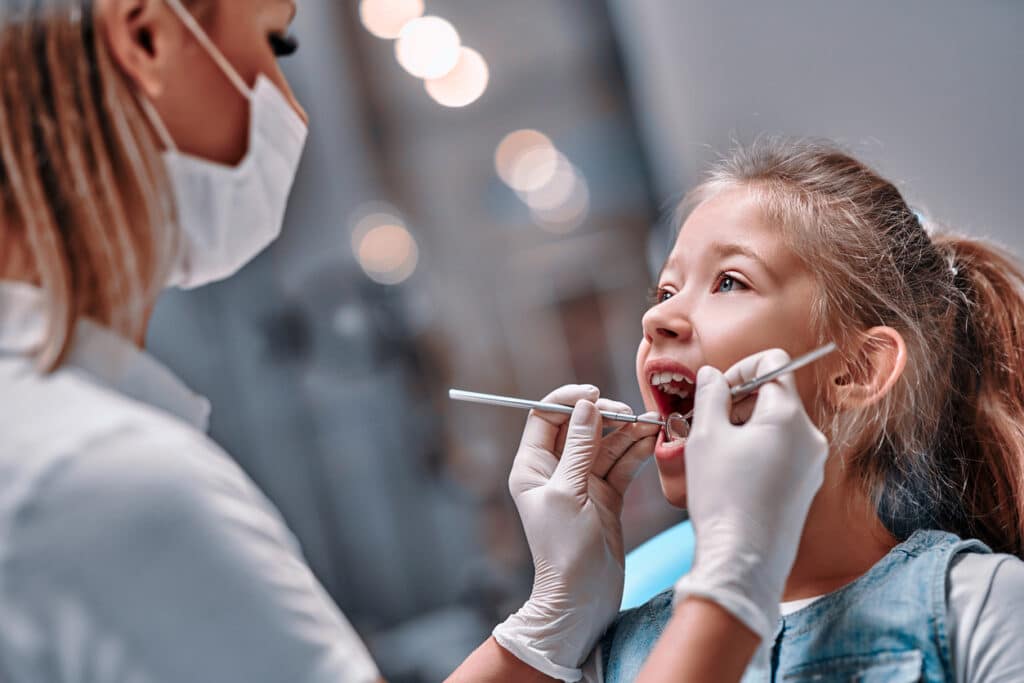
A regular dental cleaning at Cary Towne Dental is a routine preventive procedure that removes soft plaque and tartar from above the gum line. Medical literature supports that Routine scaling and polishing reduces calculus levels compared with no routine scaling and polishing [1] (Lamont et al., 2018). A deep cleaning, also known as scaling and root planing, is an active therapeutic treatment designed to clear hardened bacteria from beneath the gums to halt active disease.
The Tools We Use: Ultrasonic Scalers vs. Hand Instruments
Modern dentistry relies on advanced technology to make your visit faster and more comfortable. During a regular cleaning, your hygienist often uses traditional hand instruments. These small, precise tools gently lift soft plaque from the surface of your enamel. However, a deep cleaning requires a more powerful approach. We utilize state-of-the-art ultrasonic scalers. Medical evidence supports that ultrasonic scaling is more effective than manual scaling [2] (Oza et al., 2022). These tools emit high-frequency vibrations paired with a gentle stream of water. This combination quickly shatters stubborn, hardened tartar below the gum line without aggressive scraping. It flushes out hidden bacteria efficiently, giving you a cleaner result and a more comfortable time in the chair.
Immediate Aftercare: How Your Teeth Will Feel Today
Your mouth will feel distinctly different depending on the level of care you receive. After a regular cleaning, your teeth will feel perfectly smooth and slick. You can go right back to your normal daily routine with zero downtime. After a deep cleaning, your experience shifts slightly. Because we clean deep beneath your gums, your soft tissue may feel tender or slightly bruised for 24 to 48 hours. Additionally, medical literature supports that Antiseptic rinsing of the oral cavity is an important supplement to prevent periodontitis [3] (Kramer et al., 2022). Your teeth might also be sensitive to cold drinks. This is a normal, healthy part of the healing process. We often recommend a warm saltwater rinse to soothe your gums and speed up your recovery.
What to Eat (and Avoid) After Your Appointment
Fueling your body with the right foods helps your gums heal faster. If you just have regular polish, you can eat your normal diet right away. But if you just finished a deep cleaning, you need to be careful while your numbness wears off so you do not accidentally bite your lip. Stick to soft, nutrient-rich foods for the first two days. Good choices are scrambled eggs, yogurt and warm (not hot) soups. Avoid crunchy foods, like popcorn, nuts and tortilla chips, that can poke your healing gums. Also avoid spicy foods and acidic citrus, which can irritate your sensitive tissue.
Comparisons: Regular Cleaning vs. Deep Cleaning
Care Phase | Clinical Purpose | Cost Predictability | Treatment Time & Maintenance |
Regular Cleaning (Prophylaxis) | Preventive. Cleans above the gum line to maintain health. | Low. Usually covered 100% by standard PPO insurance. | 45–60 minutes. Requires standard 6-month checkups. |
Deep Cleaning (Scaling & Root Planing) | Therapeutic. Removes bacteria below the gums to stop bone loss. | Moderate. Typically covered at 50-80% after deductibles. | 1–2 hours (often split into 2 visits). Requires a shift to 3-4 month maintenance. |
Gross Debridement | Preparatory. Removes heavy plaque blockages so a proper exam can be performed. | Low to Moderate. | 45 minutes. A follow-up deep or regular cleaning is scheduled after gums heal. |
Modern Comfort Choices to Combat Treatment Anxiety
We understand that hearing the words “deep cleaning” can be concerning. . Dental anxiety is common, and you are not alone in feeling this way. At Carytowne Dental, we focus on your peace of mind. Never rush your appointment. We use a topical numbing gel and then a gentle local anesthetic before any deep cleaning. If you still feel anxious, let our team know. You control the pace of your visit. If you need to take a quick break, you just raise your hand.
Five Warning Signs You Should Not Wait for Your Next Visit
You do not have to wait for your standard six-month checkup to find out what kind of cleaning you need. Your body often gives you clear signals that harmful bacteria are multiplying. Pay close attention to how your mouth feels when you wake up or when you floss. If you notice any of these signs, you should contact our office for a diagnostic evaluation:
- Your gums bleed easily every time you brush.
- You have a persistent bad breath that mints or mouthwash cannot improve
- Your gums are red, puffy, and swollen instead of firm and pale pink.
- Suddenly your teeth feel loose or sensitive when you eat your food.
- You see your gums recede from your teeth, making your teeth look longer than normal.
FAQS
1. Does a deep cleaning hurt?
Your comfort is our priority. Since deep cleaning works beneath the gum line, we will give you a local anesthetic to completely numb the area. You will feel pressure and vibration from the ultrasonic instruments, but should not feel sharp pain. Afterward, your gums may feel slightly tender for a day or two, much like a mild bruise.
2. Can I just get a regular cleaning even if I have gum disease?
No. Performing a regular cleaning on a patient with active gum disease is medically negligent. Polishing the tops of your teeth while leaving destructive bacteria trapped beneath the gums puts you at a high risk for tooth loss.
3. Will my gums grow back after a deep cleaning?
A deep cleaning cannot regenerate lost bone or tissue. However, it will eliminate the active infection causing the damage. Once the tartar is removed and the roots are smoothed, your swollen gums will tighten, shrink back to a healthy pink color, and firmly reattach to the teeth, preventing further recession.
References
[1] Lamont, T., Worthington, H. V., Clarkson, J. E., & Beirne, P. V. (2018). Routine scale and polish for periodontal health in adults. The Cochrane database of systematic reviews, 12(12), CD004625. https://doi.org/10.1002/14651858.CD004625.pub5
[2] Oza, R. R., Sharma, V., Multani, P., Balsara, K., Bajaj, P., & Dhadse, P. (2022). Comparing the Effectiveness of Ultrasonic Instruments Over Manual Instruments for Scaling and Root Planing in Patients With Chronic Periodontitis: A Systematic Review and Meta-Analysis. Cureus, 14(11), e31463. https://doi.org/10.7759/cureus.31463
[3] Kramer, A., & Splieth, C. (2022). Health promotion through structured oral hygiene and good tooth alignment. GMS hygiene and infection control, 17, Doc08. https://doi.org/10.3205/dgkh000411