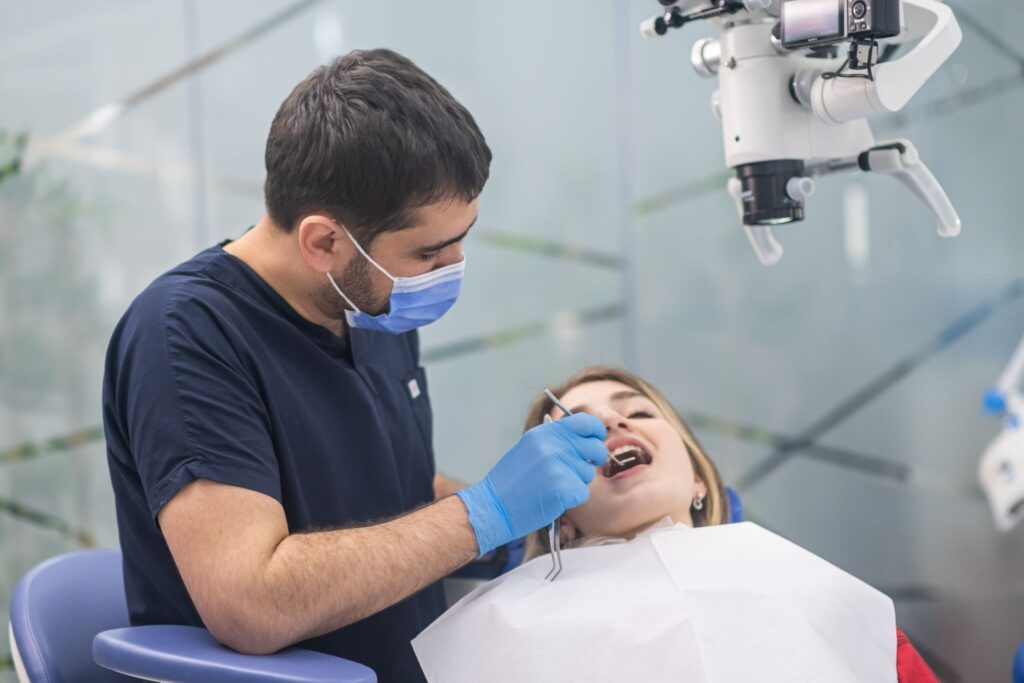
An out-of-pocket fluoride treatment at Cary Towne Dental typically costs between $30 and $50 per application. Dentists paint this preventive dental varnish directly onto the teeth to rebuild weakened enamel. Medical literature supports that fluoride plays a pivotal role in protecting teeth and preventing dental decay [1] (Mankar et al., 2023). For cash-pay adults, this small out-of-pocket fee is a cost-effective alternative to expensive dental fillings later.
What is the ROI of an Out-of-Pocket Fluoride Treatment?
Think of your dental budget in terms of Return on Investment (ROI). When you pay $30 to $50 for a professional varnish, you apply a strong, mineral-rich shield over your vulnerable enamel. This shield actively reverses microscopic decay before it becomes a physical hole in your tooth. Clinical literature supports fluoride as central to caries prevention, yet optimal use requires balancing benefits against risks [2] (Yeh et al., 2025). If you decline the treatment and that weak spot turns into a full cavity, you will eventually need a composite filling. A standard tooth-colored filling easily costs between $150 and $300 after insurance deductibles. By spending a little out of pocket today, you actively protect your wallet from complex, high-cost restorative procedures in the future.
The Financial Process: How We Bill for Preventive Add-Ons
We believe in total financial transparency for our Cary patients. You should always know what you are paying for before you sit in the chair. If you are an adult patient, our hygienist will evaluate your enamel and recommend a fluoride varnish if you show signs of acid wear. We always inform you of the exact out-of-pocket cost before we apply the varnish. When you check out at our front desk, this service appears as ADA code D1206. Because it takes less than 60 seconds to apply at the end of your standard 60-minute cleaning, there are no extra facility fees or hidden chair-time costs. You simply pay the flat fee and walk out the door.
Comparisons: Preventive Spend vs. Reactive Costs
Understanding your financial options helps you manage your household budget effectively. Here is how preventive spending compares to paying for reactive dental care.
Care Strategy | Estimated Out-of-Pocket Cost | Durability & Financial Impact | Maintenance Level |
Out-of-Pocket Fluoride Varnish | $30 – $50 (Flat fee) | High. Bonds to enamel to prevent costly future decay. | Low. Applied twice a year during regular checkups. |
Reactive Composite Filling | $150 – $300+ (After insurance) | Moderate. Fixes the cavity but requires future monitoring. | Moderate. Fillings can chip and need replacement over time. |
Emergency Root Canal & Crown | $1,000 – $2,500+ | Variable. Saves a severely decayed tooth from extraction. | High. Requires multiple visits and significant recovery time. |
The Financial Trap of the "Watch and Wait" Approach
During your routine exam, Dr. Prahalad might point out a small, soft spot on your enamel. Many patients try to save money by asking to simply “watch” the spot to see what happens. In dentistry, watching an active weak spot usually means waiting for it to turn into a full cavity. The bacteria in your mouth do not pause. If you decline a $40 cash-pay fluoride application, that microscopic damage will likely deepen. When you return to our Cary clinic six months later, you often face a restorative filling that costs five times as much. Paying out-of-pocket for a preventive varnish today is the most effective way to stop decay before it requires a drill and a much larger dental bill.
Medical Factors That Make the Cash-Pay Fee Non-Negotiable
Your overall health directly affects your cavity risk. If you take daily medications for seasonal allergies, anxiety, or high blood pressure, you likely experience dry mouth as a side effect. Saliva is your free, natural defense against decay. When your medication reduces your saliva flow, your risk of rapid, expensive root decay spikes dramatically. For adults facing these specific health factors, paying for an adult fluoride treatment is no longer just an optional add-on; it is a critical financial shield. It artificially hardens your enamel and protects your exposed roots when your natural biology cannot, saving you from complex restorative surgeries down the road.
FAQS
1. Why does my dental insurance not cover fluoride for adults?
Many traditional dental insurance plans operate on outdated clinical models. They heavily prioritize pediatric preventive care, covering fluoride at 100% for children under 14, but classify it as an “elective” treatment for adults. We help you navigate this by providing clear cash-pay estimates upfront.
2. Is the out-of-pocket fee the same for kids and adults at Cary Towne Dental?
Yes, the flat fee for the physical varnish application is generally the same regardless of age. However, because nearly all pediatric dental insurance policies cover this specific code fully, parents rarely have to pay this fee out of pocket for their children.
3. Can I use my FSA card to pay for fluoride varnish in Wake County?
Absolutely. Because a professional fluoride application is a legitimate preventive medical treatment designed to stop oral disease, it is an approved expense for your Flexible Spending Account (FSA).
References
[1] Mankar, N., Kumbhare, S., Nikhade, P., Mahapatra, J., & Agrawal, P. (2023). Role of Fluoride in Dentistry: A Narrative Review. Cureus, 15(12), e50884. https://doi.org/10.7759/cureus.50884
[2] Yeh CH, Wang YL, Vo TTT, Lee YC, Lee IT. Fluoride in Dental Caries Prevention and Treatment: Mechanisms, Clinical Evidence, and Public Health Perspectives. Healthcare (Basel). 2025;13(17):2246. Published 2025 Sep 8. doi:10.3390/healthcare13172246