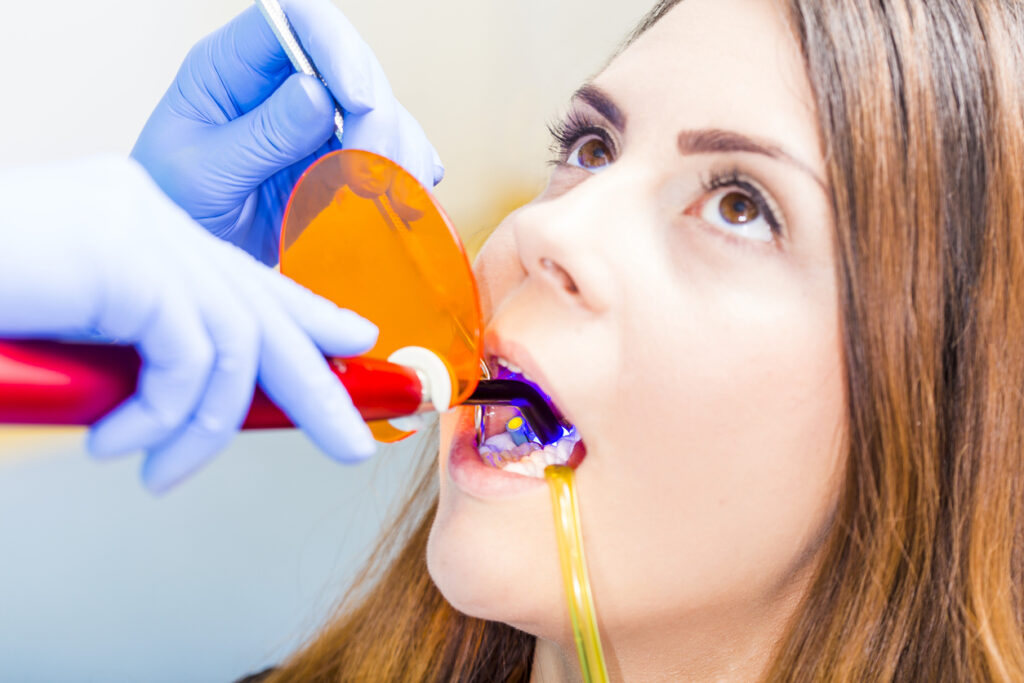
Cosmetic dentistry includes procedures like dental bonding and porcelain veneers to repair chipped, gapped, or stained teeth. Clinical literature notes key advancements in cosmetic dentistry in teeth whitening, veneers, implants, bonding, and gum contouring [1] (Misra et al., 2025). Cosmetic bonding uses a moldable composite resin for a quick same-day fix. Porcelain veneers are a permanent, stain-resistant smile makeover made from custom-made ceramic shells.
The Design Phase at Your Cosmetic Consultation: What to Expect
At Cary Towne Dental, when you schedule a cosmetic appointment, we do more than just give you a list of services. Dr. Prahalad will meet with you in our private suite to learn exactly what’s bothering you about your current teeth. Medical literature supports that the most frequently recommended options include restorative cosmetic procedures and dental bleaching [2] (Hoseinzadek et al., 2024). Then we will capture ultra-high-definition digital images of your bite with intraoral cameras. We evaluate the thickness of your natural enamel, the health of your gums, and the symmetry of your face. This data-driven approach allows us to map out a clear visual blueprint. You will see exactly how bonding or custom porcelain will look on your unique facial structure before we begin treatment.
Biocompatible Materials: What Exactly Is Going On With Your Teeth?
Health-conscious patients in Wake County deserve full transparency about the materials used in their medical care. Clinical evidence supports that interest in nonmetallic and biocompatible restorative materials increased after the introduction of the feldspathic porcelain crown [3] (Pini et al., 2012). You can breathe easy knowing that our cosmetic bonding and porcelain veneers are strictly BPA-free and metal-free. Cosmetic bonding uses a special bio-inert composite resin that bonds safely to your natural tooth structure. Our custom veneers are made from the highest-quality medical-grade ceramic, which is highly compatible with sensitive gum tissue. This modern, clean method ensures your body accepts the new materials. It prevents allergic reactions and maintains the balance of your delicate oral microbiome.
Eating and Chewing: How Your Diet Evolves with Bonding vs. Veneers
You do not have to give up your favorite meals to maintain a beautiful smile, but small lifestyle tweaks protect your cosmetic investment. Composite resin is strong, but it is softer than natural enamel. If you choose cosmetic bonding, you should avoid biting directly into hard foods like raw carrots, ice cubes, or hard candies. The resin can chip under that sharp, sudden pressure. Porcelain veneers offer much higher structural resilience. Because the ceramic bonds tightly to your underlying tooth, you can chew your normal diet with confidence. However, we still recommend cutting up hard foods like whole apples to reduce unnecessary wear and tear over the decades.
Head-to-Head Comparison: Bonding vs. Veneers
Understanding the specific differences in material and maintenance helps you protect your cosmetic investment.
Feature | Cosmetic Composite Bonding | Custom Porcelain Veneers |
Primary Material | Moldable composite resin | Lab-crafted ceramic porcelain |
Treatment Timeline | 1 Visit (Usually 60 minutes) | 2 to 3 Visits (Over 2-3 weeks) |
Enamel Preparation | None to minimal | Slight recontouring required |
Stain Resistance | Moderate (Can absorb coffee/tea stains over time) | High (Ceramic repels daily stains effectively) |
Durability Expectation | 3 to 7 years (Requires gentle chewing habits) | 10 to 15+ years (Highly resilient) |
Ideal Patient Profile | Needs a quick, budget-friendly fix for 1 or 2 teeth | Wants a permanent, flawless makeover for the visible smile |
The Commitment Level: Are Cosmetic Procedures Reversible?
Understanding the long-term commitment of a cosmetic procedure brings you peace of mind. Cosmetic bonding is generally reversible. Because we apply the resin over your existing tooth with minimal to no preparation, Dr. Prahalad can safely polish it away later if you change your mind. Porcelain veneers require a different level of commitment. To ensure the ceramic shell fits flush with your gum line and does not look bulky, we must gently smooth away a microscopic layer of your natural enamel. Because this enamel does not grow back, veneers are a permanent, lifelong commitment to your upgraded smile.
The Ultimate At-Home Routine to Protect Your Cosmetic Upgrades
Protecting your new smile does not require expensive tools or complicated steps. Whether you choose the same-day composite resin or the premium porcelain route, your daily brushing routine remains your best defense. You must switch to a soft-bristled toothbrush and a smooth, non-abrasive gel toothpaste. Abrasive ingredients like baking soda or charcoal will quickly scratch the polished surface of your bonding or the glaze on your veneers, making them look dull. Keep a travel pack of string floss in your work bag to clear away plaque after lunch, and stay hydrated with plain tap water. This simple routine keeps your cosmetic work looking vibrant and protects the natural tooth underneath from hidden decay.
FAQS
1. Does dental bonding stain faster than porcelain veneers?
Yes. Composite resin is slightly porous, meaning it can absorb dark pigments from coffee, red wine, and berries over the years. Porcelain is a glazed ceramic that actively repels stains, keeping your veneers bright and white with standard daily brushing.
2. Can I upgrade from composite bonding to veneers down the line?
Definitely. Cosmetic bonding is a popular option for many young professionals looking to fix minor problems on a strict budget. When they are ready for a more permanent upgrade years later, Dr. Prahalad can easily replace the old resin with custom porcelain veneers.
3. Does my dental insurance cover bonding or veneers?
It is contingent upon medical necessity. If you chip your tooth in an accident, your insurance may cover part of the bonding to bring the tooth back to functional use. But if you are getting veneers just to improve the color or shape of healthy teeth, then your insurance will consider it elective, and you will have to pay out of pocket.
References
[1] Misra, S., Motiwala, Z. Y., Nadeem, F., Gohil, K. M., Puniyani, A., Shetty, G., Waghmare, S. B., & Nimbalkar, A. M. (2025). Recent advances in cosmetic dentistry: A review. Bioinformation, 21(6), 1597–1601. https://doi.org/10.6026/973206300211597
[2] Hoseinzadeh, M., Motallebi, A., & Kazemian, A. (2024). General dentists’ treatment plans in response to cosmetic complains; a field study using unannounced-standardized-patient. Heliyon, 10(19), e38205. https://doi.org/10.1016/j.heliyon.2024.e38205
[3] Pini, N. P., Aguiar, F. H., Lima, D. A., Lovadino, J. R., Terada, R. S., & Pascotto, R. C. (2012). Advances in dental veneers: materials, applications, and techniques. Clinical, cosmetic and investigational dentistry, 4, 9–16. https://doi.org/10.2147/CCIDEN.S7837